June 2, 2026
Older homes carry a charm and character that newer construction rarely matches, but they also carry electrical infrastructure that was designed for a world with far fewer devices, appliances, and energy demands than households operate today. The electrical panel sits at the center of this challenge, quietly managing the flow of power throughout the home in ways that directly affect how efficiently and how safely that power is delivered. When that panel is outdated, undersized, or in poor condition, the consequences show up not just in safety risks but in measurable energy waste that homeowners often attribute to other causes entirely. Understanding how the panel affects energy efficiency gives homeowners a much clearer picture of why this often-overlooked component deserves professional attention before the problems it creates become impossible to ignore.
Recognizing When a Panel Has Reached the End of Its Useful Life
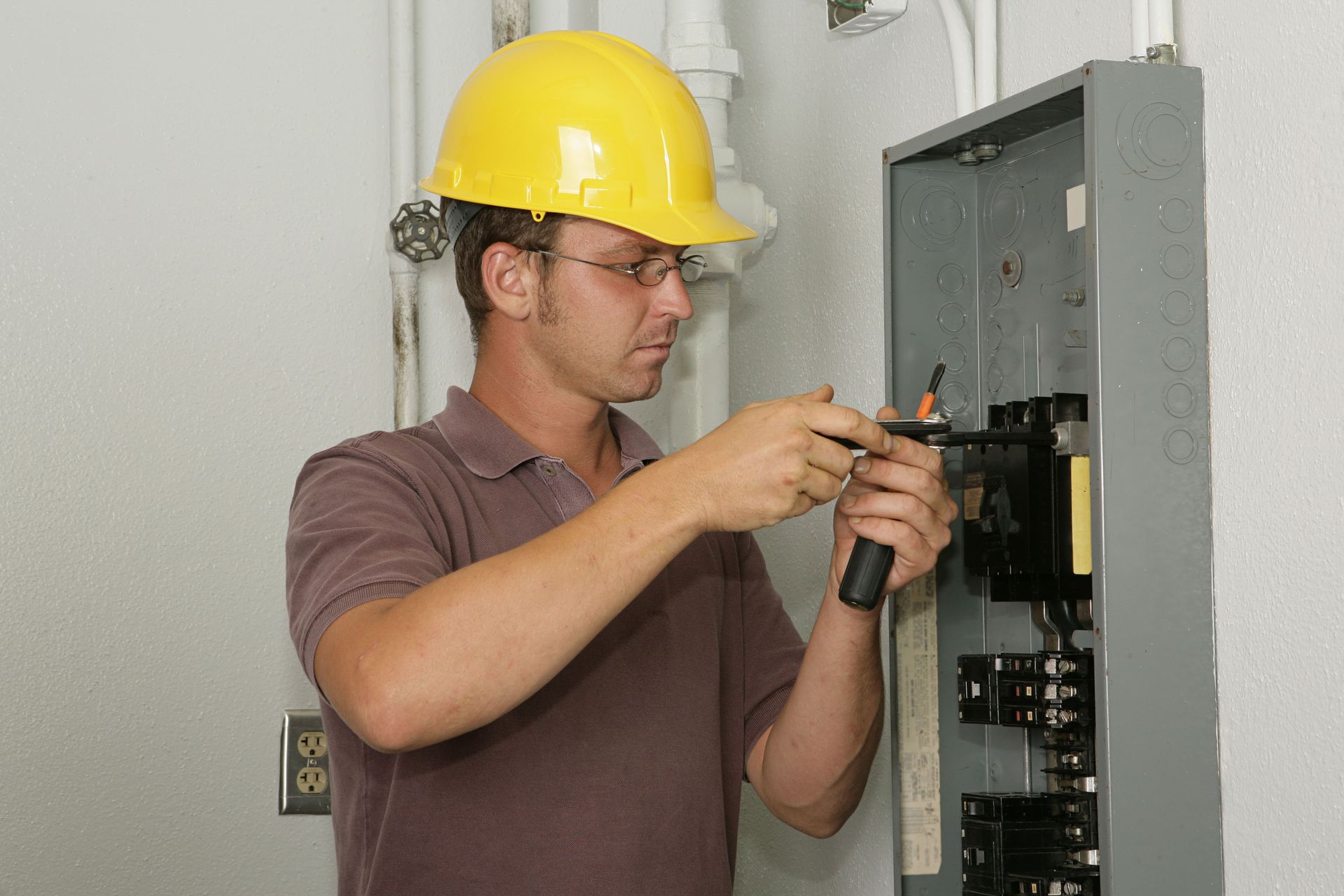
According to HomeAdvisor, electrical panels generally require replacement after more than 25 years of service, which means a significant number of older homes in the Chicago suburbs are operating with panels that have already surpassed the point where they can reliably and efficiently manage modern electrical demand. An electrical contractor who evaluates an aging panel can identify whether the components inside have degraded to the point of causing efficiency losses, intermittent failures, or safety hazards that the homeowner may not have connected to the panel's age and condition. A panel approaching or past the 25-year mark is not simply old — it is a system that was engineered to standards, load expectations, and device proliferation levels that bear almost no resemblance to how today's household electricity is actually consumed. Replacing an aging panel with a modern installation designed to handle current and future electrical loads is one of the most foundational improvements any older home can receive.
Understanding How Undersized Panels Waste Energy
A panel that was sized for the electrical load of a home built decades ago cannot distribute power efficiently to the full array of modern appliances, HVAC systems, home offices, and entertainment equipment that the same home now contains throughout every room. When circuits are overloaded because the panel lacks the capacity to cleanly separate and distribute load across dedicated circuits, the electrical system compensates in ways that generate heat, cause voltage fluctuations, and force appliances to draw more current than they would need under properly balanced conditions. An electrical contractor who assesses the current load against the panel's rated capacity can quickly identify whether the system is being asked to do more than it was designed to handle, which is the root cause of many of the inefficiency symptoms that homeowners in older properties consistently experience without understanding their origin. Upgrading to a properly sized panel installation is the most direct way to eliminate the efficiency penalty that an undersized distribution system imposes on every circuit it serves.
Identifying How Faulty Breakers Affect Energy Consumption
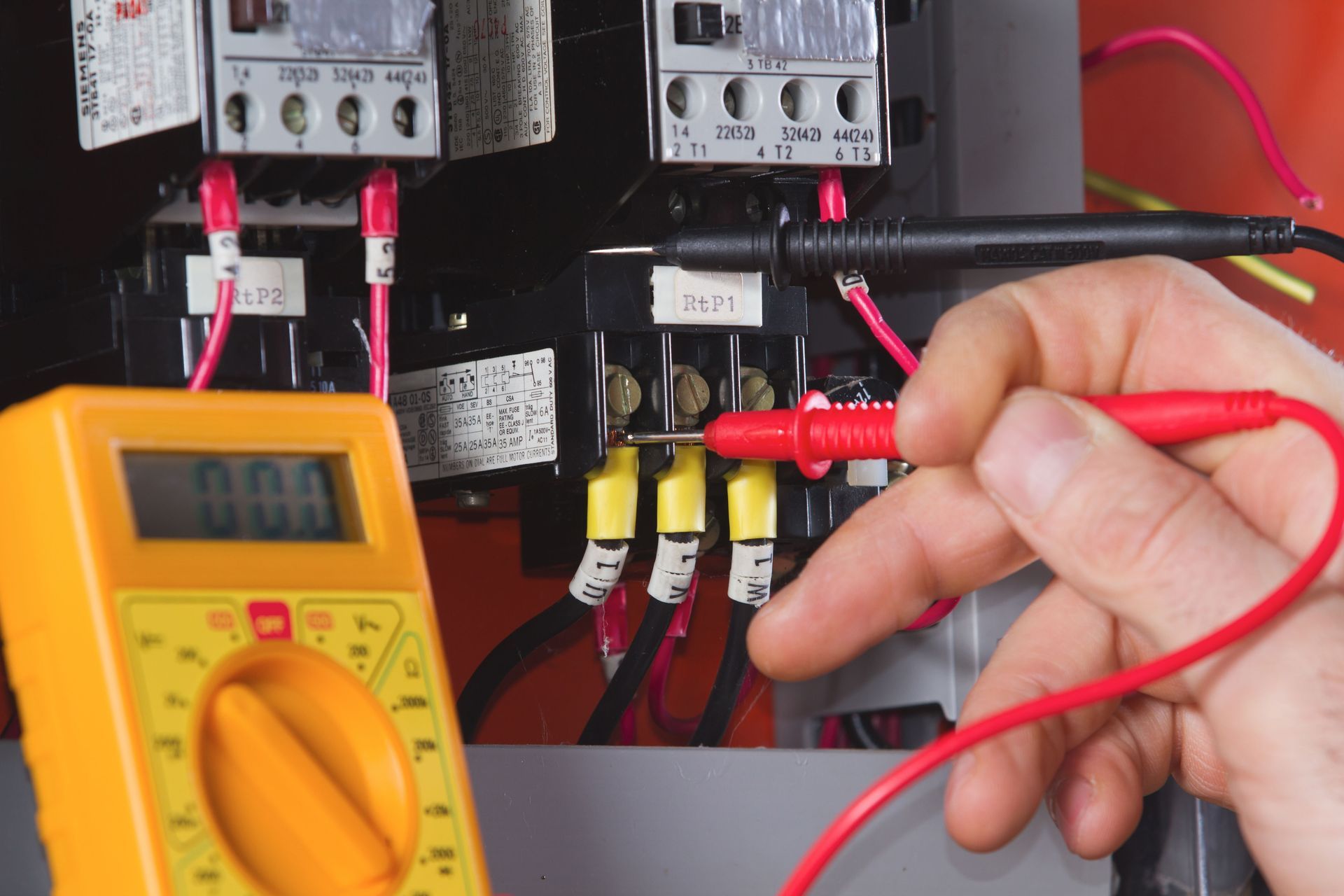
Individual circuit breakers inside an aging panel can wear out, fail to trip correctly under overload conditions, or develop internal resistance that causes them to restrict current flow in ways that force connected devices to work harder than necessary to draw the power they need. An electrical contractor who performs circuit breaker repair or replacement on faulty breakers restores clean, low-resistance current flow to every circuit the repaired breakers serve, which allows appliances and lighting to operate at their rated efficiency rather than compensating for the restriction that a failing breaker imposes. Breakers that trip too easily disrupt normal operation and cause homeowners to reset circuits repeatedly without realizing that the underlying issue is a degraded component rather than an actual overload condition in the circuit. Addressing faulty breakers is one of the most targeted and cost-effective efficiency interventions available in an older electrical system without requiring a full panel replacement.
Connecting Wiring Condition to Panel Performance
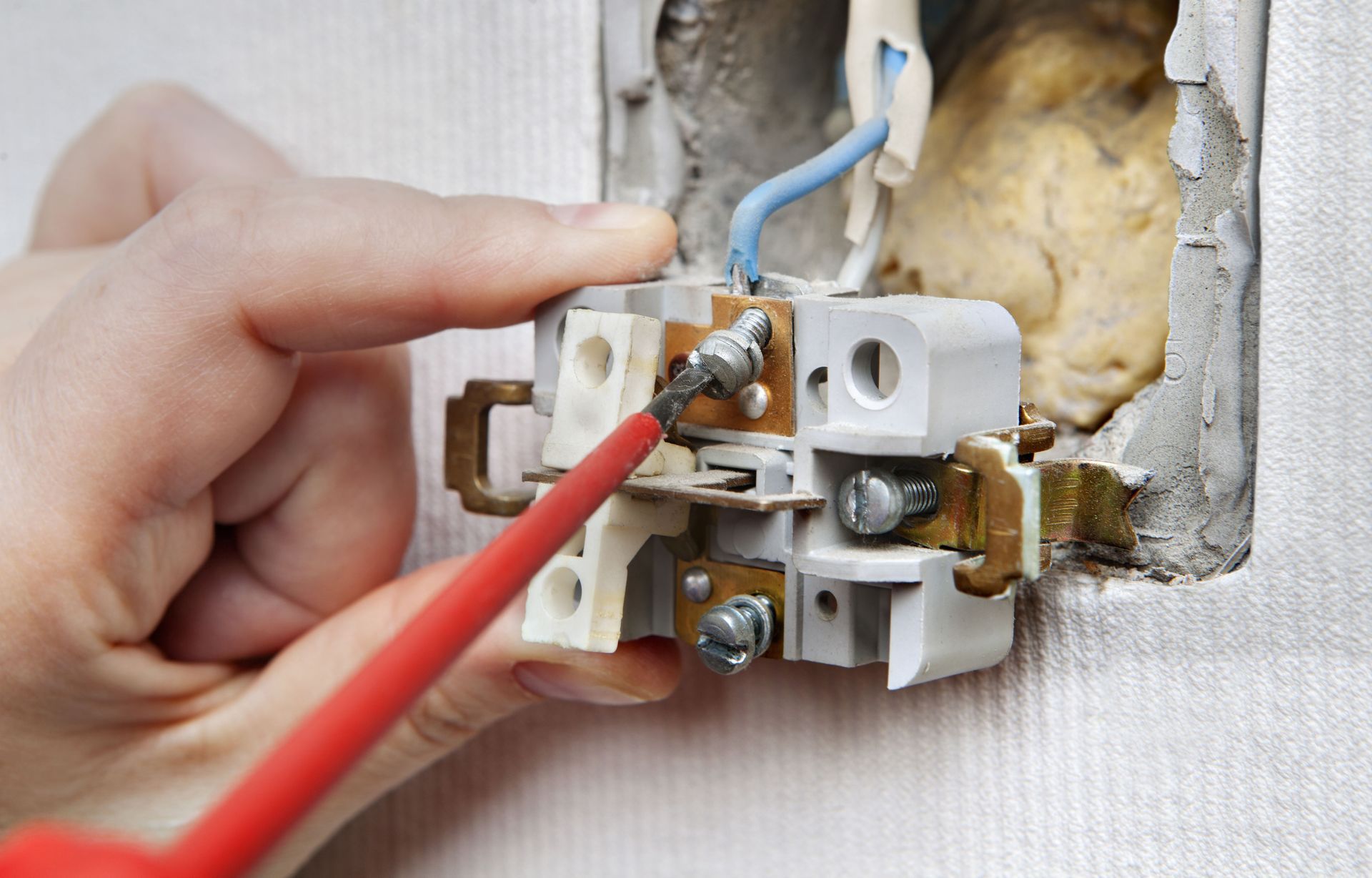
The wiring that runs from the panel to every outlet, switch, and fixture throughout the home is the delivery network that determines how efficiently the panel's output actually reaches the devices that depend on it, and aging or damaged wiring undermines the performance of even a well-maintained panel. An electrical contractor who performs wiring repair identifies connections that have loosened over time, insulation that has degraded and is allowing current leakage, and conductors that are too undersized for the loads now connected to them throughout an older home. Poor wiring connections generate resistance that converts electrical energy into heat rather than useful work, which is one of the clearest and most measurable ways that an older home's electrical infrastructure wastes energy that the homeowner is paying for but not benefiting from in any meaningful way. Addressing wiring issues in conjunction with panel evaluation gives the entire electrical system a comprehensive upgrade that produces efficiency gains across every circuit in the home.
Improving Efficiency Through LED Lighting and Outlet Upgrades
Panel capacity and circuit efficiency improvements deliver their greatest return when they are paired with upgrades to the loads those circuits serve, and LED lighting installation is one of the highest-impact efficiency upgrades available to homeowners whose older homes still rely on incandescent or fluorescent lighting throughout the living spaces. An electrical contractor who installs LED fixtures, ceiling fans, and modern outlets throughout an older home reduces the electrical load on every circuit those upgrades serve, which allows the newly evaluated or upgraded panel to distribute its capacity more cleanly and more efficiently across the entire home. Outlet installation that adds properly grounded outlets to rooms that were wired before grounding was standard practice, also improves both efficiency and safety by eliminating the improvised workarounds that homeowners in older properties often use to power modern devices in rooms that were not designed with those devices in mind. Combining panel and wiring work with targeted load upgrades produces a whole-system efficiency improvement that is greater than any single intervention could achieve independently.
Protecting Efficiency Gains Through Surge Protection
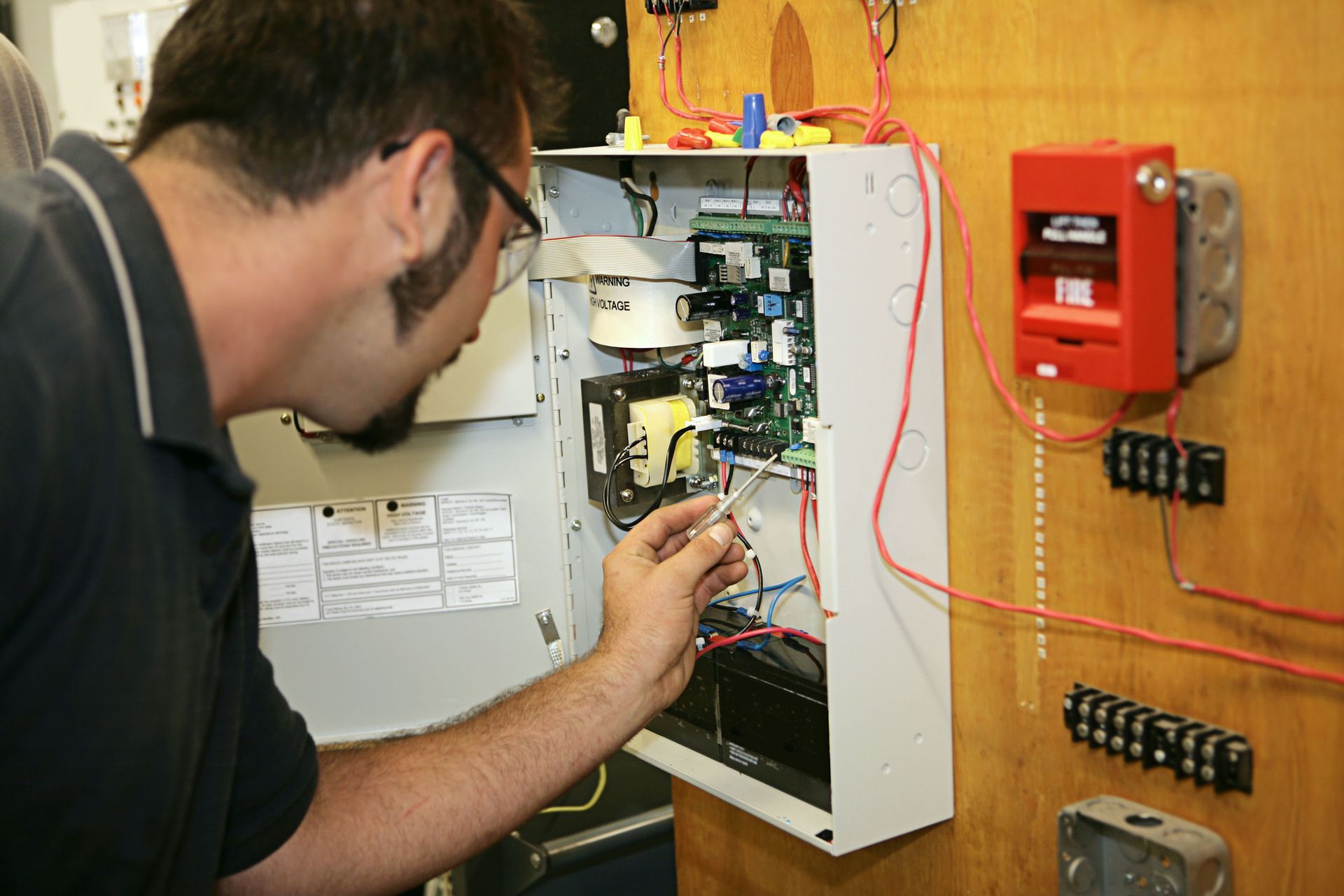
An upgraded panel and modernized wiring represent a meaningful investment in the long-term efficiency and safety of an older home, and that investment deserves protection from the voltage surges that occur regularly on the grid and that can damage the sensitive electronics connected to every circuit throughout the house. An electrical contractor who installs surge protectors at the panel level provides whole-home protection that guards every connected device simultaneously, rather than relying on individual power strip surge protectors that only protect the devices plugged directly into them. Voltage spikes that damage appliances, HVAC controls, and smart home devices force replacement purchases that eliminate the efficiency savings those devices were intended to deliver, which makes surge protection one of the most financially sensible additions to any panel upgrade or wiring modernization project in an older home. Panel-level surge protection is a one-time installation that protects the efficiency and longevity of every electrical investment the homeowner has made throughout the property.
The electrical panel in an older home is rarely the first thing homeowners think about when they are looking for ways to reduce energy waste and improve comfort, but it is often where the most significant and most systemic efficiency problems originate. From aging components and undersized capacity to faulty breakers and degraded wiring, every aspect of an older electrical system that falls short of modern standards contributes to energy losses that compound across every circuit and every hour of daily use throughout the home. A Plus Electric Inc has proudly served homeowners throughout Naperville, Niles, and the greater Chicago suburbs since 1998, offering electrical panel installation, wiring repair, circuit breaker repair, outlet installation, LED lighting installation, surge protector installation, home electrical inspections, home safety inspections, and a full range of residential electrical contractor services backed by 24/7 emergency services, a 60-minute response time, same-day estimates, a 1-year warranty on parts and labor, and special offers including $50 off main breaker changes and 10% off labor. For more information, contact us today!